
Building & Interiors
Flooring & Tiling in Edenbridge
Floor laying and wall or floor tiling for single rooms, kitchens, bathrooms and wider renovations.
A new floor or freshly tiled wall changes how a room looks and how easy it is to live with. Getting a good result depends far more on what happens underneath than most people expect: a level, dry, sound base is what stops floors creaking, tiles cracking and joints opening up later.
One Stop Build & Landscaping lays flooring and tiles for individual rooms and as part of kitchen, bathroom and renovation projects across Edenbridge and the surrounding area. Because the same business handles building work too, preparation problems found when the old floor comes up can be dealt with properly rather than covered over.
Who this service suits
Flooring and tiling suit homeowners updating a tired room, finishing a new extension, refitting a kitchen or bathroom, or simply replacing a floor that has worn out. It is also a natural follow-on from internal alterations, where rooms are joined and a continuous floor ties the space together.
Flooring and tiling work we can discuss
- Floor tiling for kitchens, bathrooms, hallways and utility rooms
- Wall tiling, including splashbacks, shower areas and full bathroom walls
- Laying hard flooring as part of room updates and wider renovations
- Removing old floor coverings and preparing the subfloor
- Flooring and tiling within kitchen and bathroom fitting projects
Product choice is discussed for each project. If you already have a material in mind, share the details and Rob will confirm whether it suits the room and the base it will sit on. Specialist finishes can be arranged through trusted colleagues where needed.
Choosing the right floor for the room
Different rooms put different demands on a floor. Bathrooms, kitchens and utility rooms need surfaces that cope with water and frequent cleaning, which is why porcelain and ceramic tiles are popular there. Hallways need hard-wearing finishes that tolerate grit and footfall. Living areas often prioritise warmth underfoot and appearance.
Underfloor heating, pets, young children, slip resistance and how much maintenance you are happy with all influence the right choice. Large-format tiles also need a flatter base than smaller ones, which can affect the preparation required.
Preparation: the part you do not see
Before anything is laid, the existing floor is checked for level, movement, moisture and soundness. Timber subfloors may need fixings tightened or boards overlaid; concrete floors may need levelling compound or a moisture check. Wall tiling needs a flat, suitable backing, and wet areas need the correct waterproofing behind the tiles.
Some materials, such as timber-based flooring, may need time to acclimatise to the room before fitting. These steps add a little time but are what make the finished floor last.
What affects the cost
Pricing depends on the area, the material and its format, the amount of cutting around fixtures, the condition of the existing floor or wall, removal of old coverings, any levelling or waterproofing needed, and trims, thresholds and grout or sealant choices.
For a free quote, send the room measurements, photographs of the current floor or walls, your chosen material if you have one, and details of anything being refitted at the same time.
Timing and disruption
The room being worked on will normally be out of use while flooring or tiling is laid and while adhesives and grout set. Furniture needs to be cleared, and in kitchens and bathrooms the work is sequenced around fitting units and sanitaryware. Rob will explain the order of work and when the room can be used again.
Looking after your new floor
Most tiled floors simply need regular sweeping and mopping with a suitable cleaner. Some natural stone tiles benefit from sealing. For other floor types, follow the manufacturer’s care guidance; felt pads under furniture and a mat at external doors help keep any floor looking good for longer.
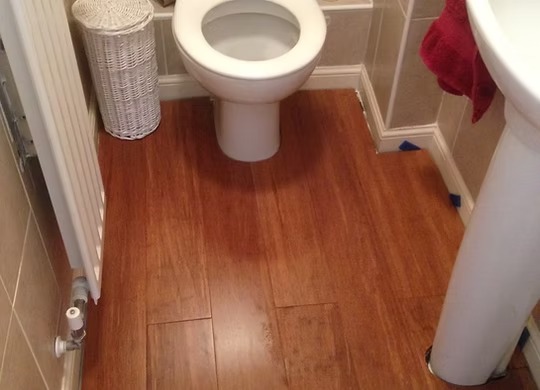
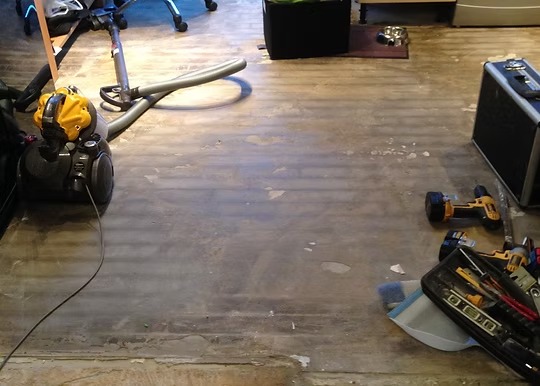
Flooring & Tiling: before and after
Drag the handle, or use the arrow keys, to compare each project before and after the work.
Often combined with
Kitchens, Bathrooms & Other Projects
Kitchen and bathroom refits usually include new tiling and flooring.
Learn moreBuilding & Construction
Extensions and internal alterations need floors laid to finish the new space.
Learn morePatios & Driveways
Matching or complementary outdoor paving can link a new floor to the garden.
Learn moreFlooring & Tiling questions
Which rooms do you lay flooring and tiles in?
Do you supply the flooring or do I buy it?
Can you tile over existing tiles?
What preparation does a floor need before tiling?
Are porcelain tiles a good choice for a kitchen or bathroom?
Can flooring be laid over underfloor heating?
What affects the cost of a tiling job?
How long before I can walk on newly tiled floors?
Do I need to empty the room before you start?
How should I look after a new tiled floor?
Request a free quote
Tell Rob about your flooring & tiling project. Prefer to talk? Call 07947 331314.